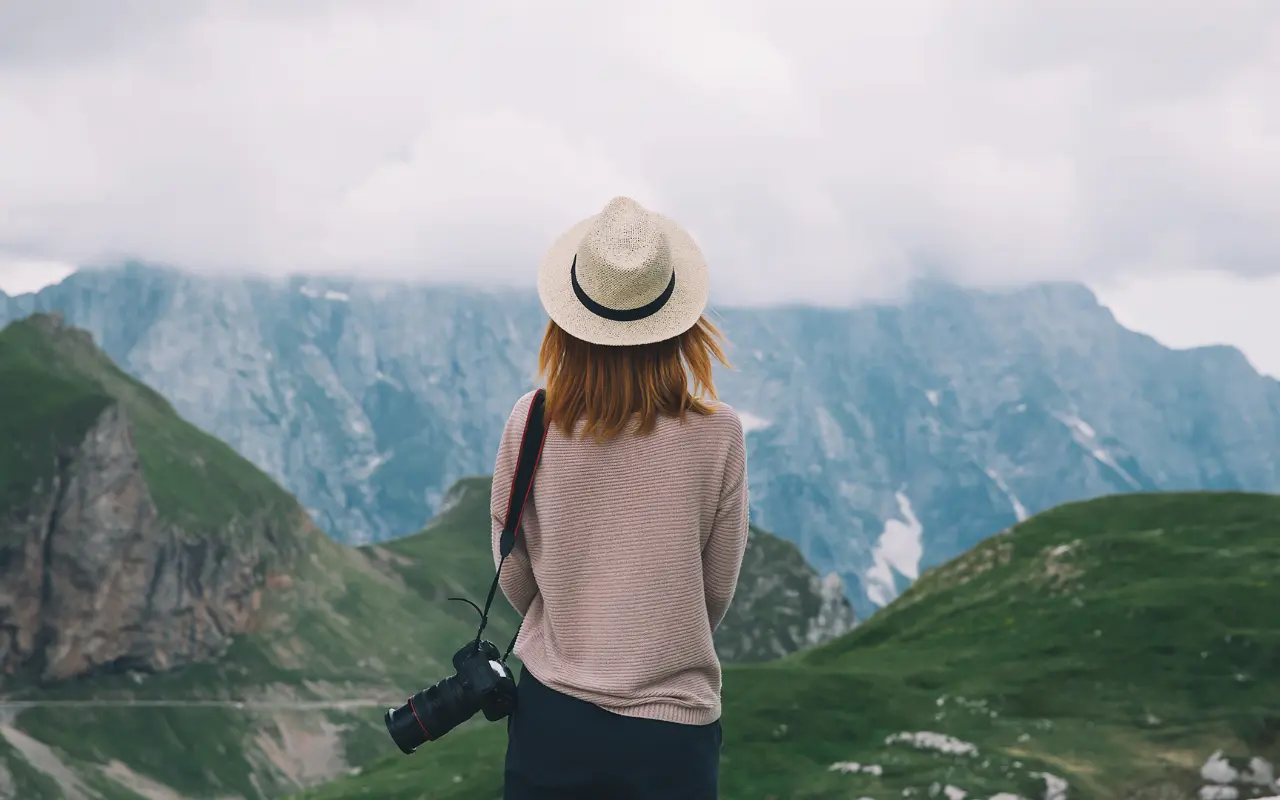
Slow travel traveling slowly to truly experience the journey
In an era defined by immediacy—where flights, itineraries, and even experiences are designed to move fast—more travelers are seeking the opposite when they travel: slowing down. Slow travel emerges as a response to fatigue from rushed trips, endless sightseeing lists, and the feeling of returning more exhausted than refreshed. Traveling slowly doesn’t mean doing less; it means experiencing each moment more deeply, connecting with the destination and oneself, and turning travel into something truly meaningful.
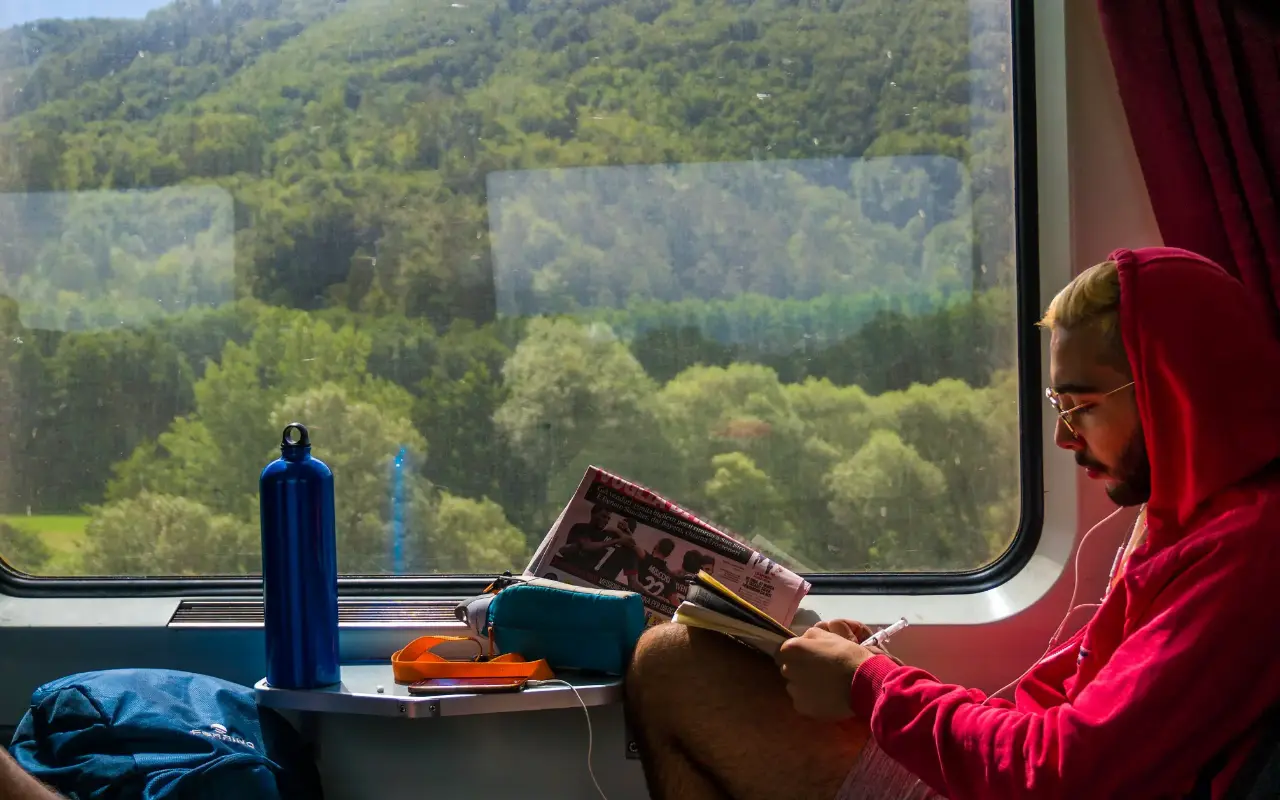
The future of slow travel
Slow travel reflects a broader change in how people approach travel and life. As travelers increasingly seek well-being, learning and emotional connection, slow travel will continue to grow, shaping more personalized, mindful and transformative journeys.
Is slow travel right for you
If you return from trips feeling exhausted, prefer observing over rushing, value silence and authenticity, slow travel may suit you. It’s not a restrictive style but a flexible mindset that prioritizes presence and meaning over speed.
Fewer miles, deeper connection
A core principle of slow travel is that meaningful journeys are not measured by distance but by depth. Spending more time in one place allows travelers to understand daily life, build familiarity and create genuine connections. Travelers shift from being observers to participants, resulting in more lasting memories and emotional engagement.
Slow travel and sustainability
Traveling slowly also benefits the environment and communities. Fewer transfers reduce environmental impact, while local spending supports small economies. Slow travel aligns with responsible tourism values and meets growing traveler demand for ethical and sustainable experiences.
Nature, culture and mindful presence
Slow travel often thrives in natural, rural or culturally rich settings that encourage observation and respect for local rhythms. Small towns, walking routes, train journeys, local cuisine and character-filled accommodations create immersive experiences that promote mindful presence and sustainable tourism.
Slow travel and emotional well-being
Slow travel is increasingly linked to mental and emotional well-being. A slower pace reduces stress, lowers sensory overload and supports digital disconnection. By slowing external movement, internal rhythm calms, fostering clarity, rest and emotional balance. Many travelers report returning not only relaxed, but transformed.
The value of time in travel experiences
Time is central to slow travel. Traveling without urgency allows simple pleasures—unplanned walks, conversations with locals, lingering meals—to become highlights. Removing rigid schedules opens space for unexpected encounters and authentic moments that often define the most memorable trips.
The role of travel agencies in slow travel
Travel agencies are essential in shaping meaningful slow travel experiences. By designing human-centered itineraries with comfortable pacing, local experiences and authentic lodging, agencies help travelers engage deeply with destinations. For many agencies, slow travel represents a shift toward more conscious, memorable tourism.
Why slow travel still benefits from planning
Although it emphasizes ease, slow travel works best when thoughtfully planned. Having logistics organized removes stress and enables travelers to focus on enjoyment. The difference lies in designing fewer destination changes, longer stays and genuine free time. Travel agencies play a key role in achieving this balance.
What is slow travel and why it is becoming a trend
Slow travel is a travel philosophy that prioritizes experience quality over the number of destinations visited. Instead of rushing through multiple cities, it encourages staying longer in one place, exploring it deeply and adapting to its natural rhythm. Inspired by the slow movement, this approach responds to growing travel fatigue and a desire for authenticity, well-being, and meaningful experiences.
Slow travel as an alternative to traditional tourism
For decades, tourism focused on maximizing destinations and tightly packed itineraries. Slow travel challenges that idea by proposing fewer moves and more presence. Reducing constant travel stress allows trips to feel smoother, more human and enjoyable, turning the journey into something restorative rather than exhausting.
Conclusion
Slow travel doesn’t mean traveling less—it means traveling better. In a fast-paced world, choosing to slow down becomes a conscious and transformative act. Traveling without rush reveals the true value of destinations, deepens human connection and leaves travelers with more than memories. If you seek a journey that nourishes rather than exhausts you, slow travel is not just a trend—it’s an invitation to truly live the experience.