The Silk Road and the birth of intercultural travel
Long before the concept of international travel, passports or tourism existed, people were already crossing vast distances with a clear purpose: connecting different worlds. The Silk Road was a vast network of routes that for centuries linked Asia, the Middle East and Europe, enabling not only the exchange of goods but also ideas, cultures, languages and beliefs. In this context, travel ceased to be mere movement and became an intercultural experience. Understanding the Silk Road is understanding the origin of curiosity about others and the foundation of cultural travel we still seek today.
What the Silk Road was
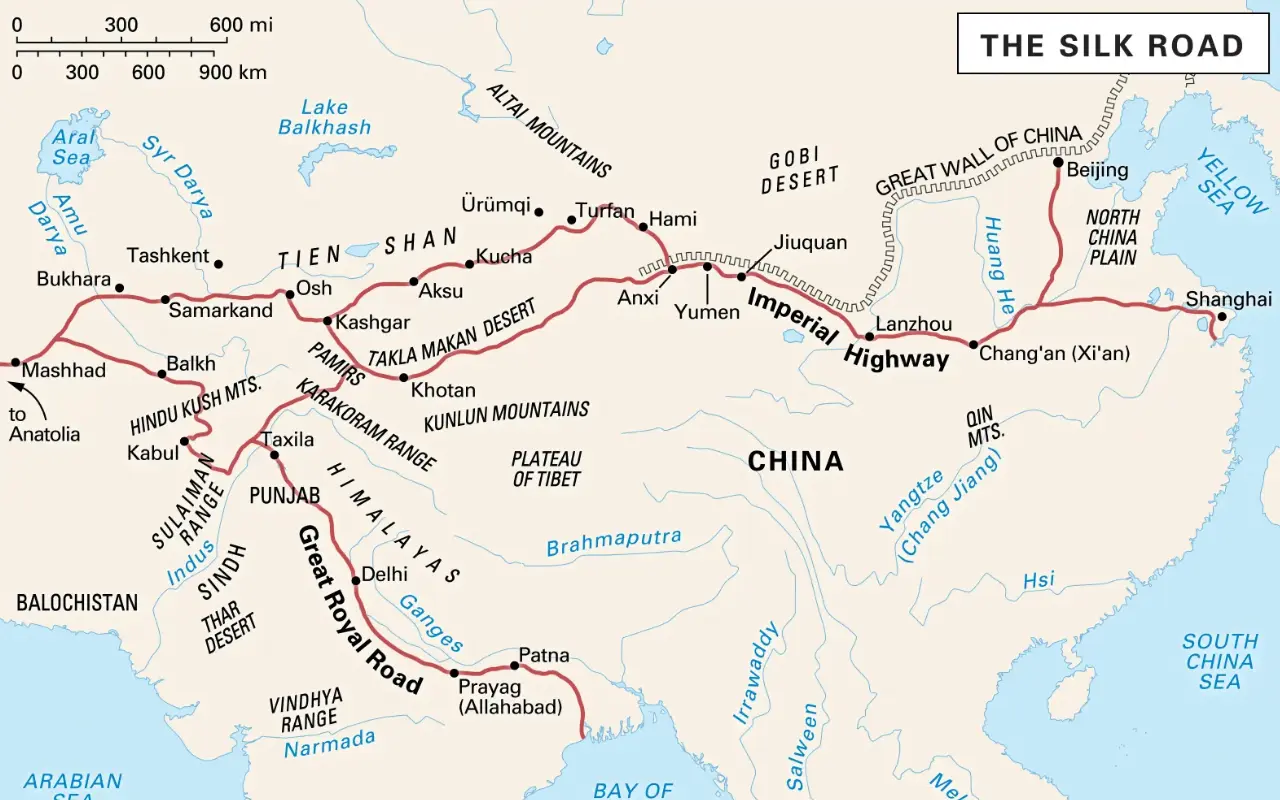
The Silk Road was not a single road, but a network of land and sea routes linking China with Central Asia, the Middle East, North Africa and Europe. Its peak spanned roughly from the 2nd century BCE to the 15th century. Through these routes flowed silk, spices, porcelain, precious metals and stones, as well as knowledge, technologies and worldviews. It became one of the first large-scale global human exchange systems.
Why this legacy still matters
In today’s fast, globalized world, the Silk Road reminds us that the true value of travel lies in human exchange. Beyond technology and speed, travelers still seek meaningful connections and transformative experiences.
The first intercultural travelers
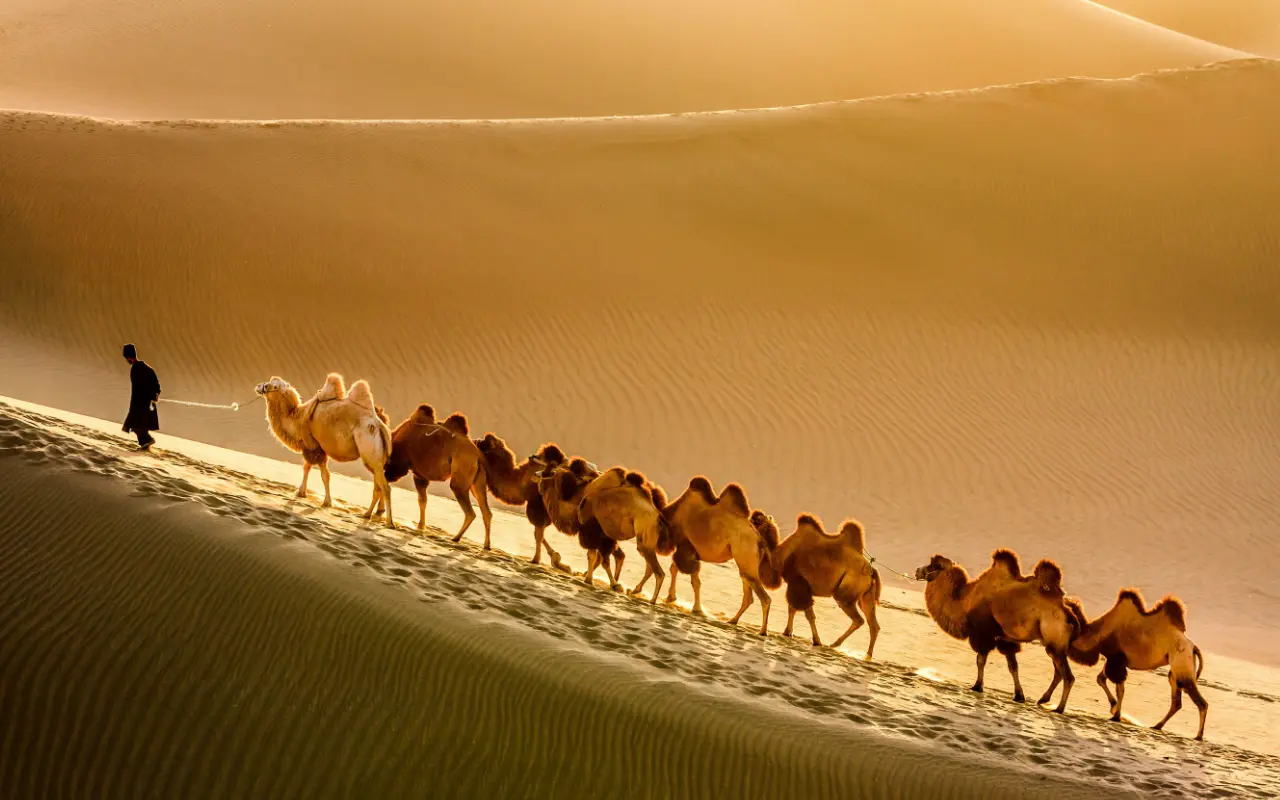
Merchants, diplomats, monks, explorers and messengers were the protagonists of the Silk Road. Their journeys were long and risky, crossing deserts, mountains and unfamiliar territories. Yet they returned transformed, bringing stories, practices and objects that enriched their home societies. Travel gained educational and transformative value beyond economics.
Travel as a way to understand others
The Silk Road taught that travel requires openness. Encounters with the unknown fostered curiosity, respect and mutual learning. Modern intercultural travel continues this role by helping people break stereotypes and broaden perspectives.
Key cities as cultural meeting points
Cities like Samarkand, Bukhara, Kashgar and Baghdad became multicultural hubs. Architecture, cuisine, clothing and traditions blended in these centers, demonstrating how travel could build bridges between cultures and create hybrid identities—something modern cultural destinations still celebrate.
Beyond trade: travel as cultural exchange
While named after silk, the Silk Road’s true impact was cultural. Travelers from different civilizations lived together for long periods in caravan cities, learning languages, customs and religions. Buddhism spread from India to East Asia, Islam expanded into Central Asia, and scientific knowledge such as astronomy and medicine circulated widely. Travel became an act of adaptation and learning.
The Silk Road’s legacy in modern tourism
Today’s cultural tourism, historical routes and authentic experiences draw directly from the Silk Road’s legacy. The desire to understand different cultures, taste local food and engage with traditions mirrors the motivations of ancient travelers.
Slow and mindful travel along the Silk Road
Journeys along the Silk Road were inherently slow, allowing deep immersion in each region. This rhythm aligns with modern slow travel trends, where experiences are lived with presence and intention rather than speed.
The Silk Road as inspiration for modern journeys
For travel agencies, the Silk Road inspires cultural routes, thematic itineraries and deep experiences. Circuits through Central Asia, the Middle East or Eastern Europe can revive this spirit, offering travelers journeys focused on learning and personal discovery.
How the Silk Road changed the way people traveled
Before these routes, travel was mostly local or military. The Silk Road established known paths, rest points and guidance systems, laying early foundations for travel infrastructure. Travel began to be seen as a means of connection, knowledge and relationship-building.
Conclusion
The Silk Road marked the beginning of travel as an intercultural experience. Through it, travel evolved from mere movement into a way of learning, sharing and transformation. Today, whenever we seek authentic experiences abroad, we follow that same ancient impulse. Traveling with intention, curiosity and respect continues the legacy of the first travelers who connected the world.