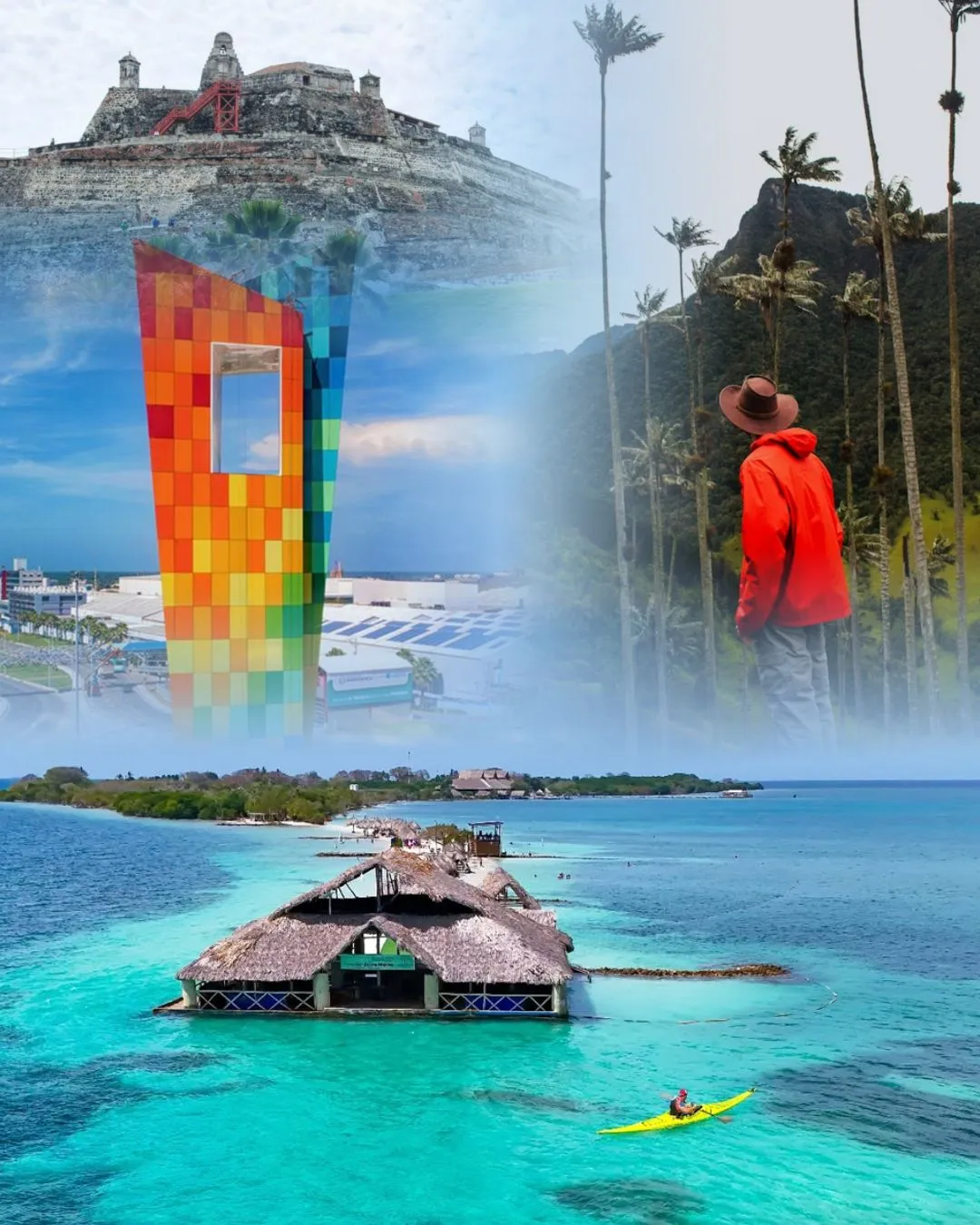
Adventure tourism and sustainability: how active travel can help protect destinations
Adventure tourism is no longer viewed solely as a form of travel linked to adrenaline or sports. In recent years, international organizations, governments, and tourism operators have recognized its value as a concrete tool for sustainability. When responsibly managed, this type of tourism not only creates memorable experiences for travelers but also contributes to environmental protection and the economic development of rural communities. In this article, we explore why adventure tourism and sustainability are deeply connected and how this relationship is reshaping the way people travel.

Positive impact on local communities
One of the strongest contributions of adventure tourism is its ability to generate direct income for local communities. Activities such as guided hiking, trekking, cycling routes, kayaking, wildlife observation and nature expeditions require local guides, small-scale accommodations, regional transport and community-based services. This allows tourism revenue to be distributed more fairly and reduces reliance on extractive or unsustainable economic activities.
Economic diversification in rural areas
Adventure tourism helps diversify rural economies by creating employment opportunities linked to local knowledge and territory management. Individuals who once relied solely on agriculture or extractive activities can find tourism as a complementary income source. This diversification strengthens local economic resilience and reduces migration to major urban centers.
Public policies and institutional support
Many governments and tourism authorities have incorporated adventure tourism into their sustainable development policies. These strategies often include operator certification systems, safety regulations, community training programs and environmental management plans. Institutional support is essential to ensure that adventure tourism remains regulated and beneficial rather than uncontrolled.
The role of operators and travel agencies
For travel agencies, aligning adventure tourism with sustainability implies a clear responsibility. Working with certified operators, formally trained local guides and experiences that respect the environment is essential. The selection of suppliers directly determines the real impact of a trip. Today, selling adventure tourism is not only about offering excitement, but about guaranteeing that each experience leaves a positive and measurable impact on the destination.
The conscious traveler and evolving demand
The growth of sustainable adventure tourism also reflects a shift in traveler profiles. More travelers seek active experiences that have meaning, contribute positively to destinations and align with environmental and social values. This informed traveler increasingly asks how activities are conducted, who operates them and what kind of impact they generate.
The future of responsible adventure tourism
All indicators suggest that adventure tourism will continue to grow as one of the most coherent ways to travel in the current global context. Its ability to combine physical activity, nature, culture and sustainability positions it as a key pillar of future tourism.
Adventure as an incentive for nature protection
In many destinations, adventure tourism has become a financial incentive for conservation. By generating income tied to well-preserved natural environments, it creates a direct interest in protecting ecosystems, reducing deforestation, controlling illegal activities and maintaining territories in good condition. For this reason, several countries have integrated adventure tourism into their national sustainable tourism strategies.
Environmental conservation and low-impact tourism
From an environmental perspective, adventure tourism is promoted by governments and conservation entities as a compatible alternative to ecosystem protection. By operating with small groups, defined routes and low-impact activities, adventure tourism can coexist with conservation efforts, provided that carrying capacity, environmental regulations and operational best practices are respected.
Environmental education through direct experience
Adventure tourism does more than generate income; it educates. When travelers explore natural areas accompanied by trained local guides, they gain knowledge about biodiversity, ecosystems, cultural traditions and conservation practices. This hands-on experience strengthens environmental awareness among visitors and reinforces the value of natural heritage within host communities.
Challenges and limits of sustainable adventure tourism
Despite its high potential, adventure tourism also faces challenges. Lack of regulation, visitor overcrowding or informal operations can create negative impacts. For this reason, it is essential to establish clear limits, monitor environmental and social effects and promote continuous training for operators and guides.
Adventure tourism as a driver of sustainable development
The link between adventure tourism and sustainability is not a recent trend. For more than a decade, international organizations have emphasized that this form of tourism can foster sustainable development when properly planned. By taking place in rural areas, natural parks and protected zones, adventure tourism brings economic activity to regions that have traditionally remained outside mainstream tourism routes.
Adventure, sustainability and transformative experiences
When adventure tourism is managed responsibly, the result is a transformative experience. Travelers do not simply engage in physical or outdoor activities; they gain a deeper understanding of the territory, connect with local communities and return home with a more conscious and respectful perspective on travel.
conclusión
Adventure tourism demonstrates that it is possible to travel actively while remaining responsible. Its alignment with sustainability is not only real but essential for the future of tourism. When managed thoughtfully, adventure becomes a tool for development, conservation and transformation. For travelers and travel agencies alike, choosing this model means embracing experiences that leave a positive footprint on both the visitor and the destination.