Adventure as a tool for personal well-being
For a long time, adventure was associated only with adrenaline, risk, and physical intensity. Today, that perception is changing. More travelers now see adventure as a way to feel better, reconnect with themselves, and strengthen emotional well-being. It’s no longer about competition or extremes, but about personal challenges that build confidence, mental clarity, and a deep sense of accomplishment. In this article, we explore why adventure has become a powerful self-care tool and how active travel is reshaping the search for wellness.

Movement and mental health
Physical movement in new environments improves mood, sleep quality and focus. When combined with travel, the benefits intensify, creating powerful mind–body integration through nature-based experiences.
Adventure travel as self-care
Self-care doesn’t always mean rest. For many, caring for oneself involves movement, fresh air and active engagement. Thoughtfully designed adventure travel releases tension, boosts vitality and strengthens the body–mind connection.
Adventure without competition
Today’s adventure emphasizes experience over performance. Without pressure or comparison, travelers of all ages and abilities can engage safely, enjoying the journey at their own pace.
Why adventure helps reduce stress
Nature exposure and moderate physical activity directly reduce stress levels. Outdoor adventures stimulate endorphins, lower cortisol and promote emotional regulation. Attention shifts from daily pressures to the present moment, functioning as a form of active meditation.
The future of adventure as wellness
Adventure travel is evolving toward wellness-focused experiences. As mental and emotional health become priorities, conscious adventure journeys will continue to grow.
The new definition of adventure travel
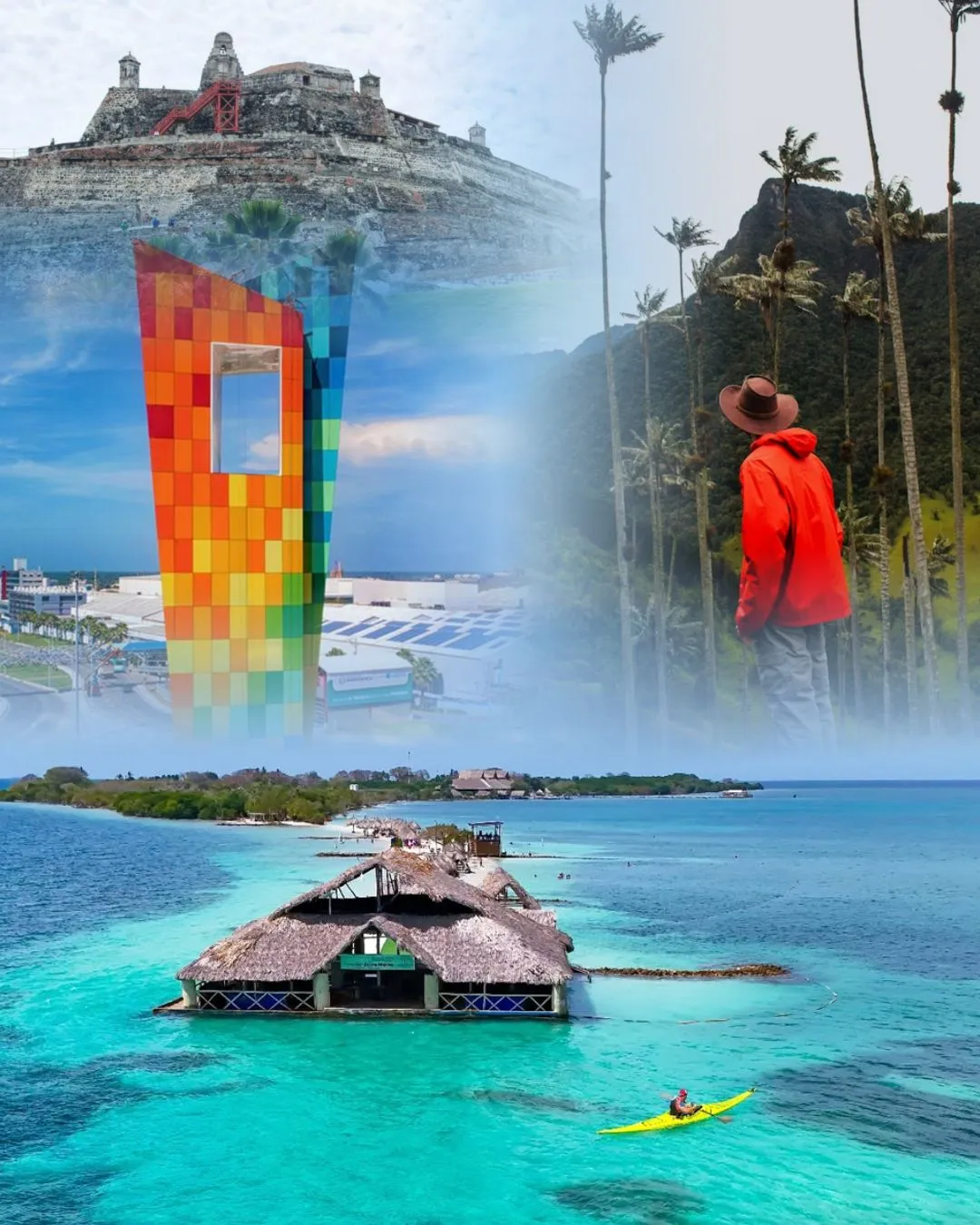
Modern adventure is no longer limited to extreme activities. It now includes hiking, cycling, kayaking, snorkeling, soft trekking and accessible outdoor experiences. The focus has shifted from risk to mindful challenge, routine disruption and embodied movement, attracting travelers seeking balance, wellness and personal growth.
Who seeks adventure with a wellness focus
Professionals, couples, individuals in transition and travelers seeking balance increasingly choose adventure as a pathway to well-being, expanding the audience beyond extreme sports.
Adventure and emotional connection to place
Mindful adventure deepens emotional bonds with destinations. Actively engaging with landscapes fosters respect for nature and responsible tourism values.
Ideal destinations for adventure and wellness
Mountains, forests, coastlines and natural reserves offer ideal settings for combining adventure and wellness. Walking routes, coastal trails and guided nature activities support holistic health.
How travel agencies design mindful adventure experiences
Agencies play a key role by selecting appropriate activities, balancing effort with rest, and prioritizing comfort and safety. Good planning transforms adventure into a restorative experience.
Adventure and emotional well-being: the power of self-challenge
Adventure strengthens self-confidence by allowing travelers to overcome personal challenges. Completing a route or trying something new builds genuine self-esteem and resilience, turning travel into a metaphor for life’s progress.
Conclusion
Adventure is no longer about extremes, but balance. Traveling to move, challenge oneself and reconnect has become a valid form of self-care. In a demanding world, conscious adventure offers an active pause—a way to strengthen the body, calm the mind and return home renewed.