Lisbon, the happiest destination in the world (and it’s not Disneyland)
According to the latest holiday-wellbeing study, Lisbon was named the city that conveys the most happiness to travelers. It wasn’t for a magical castle or amusement parks: it was for its climate, its pleasant urban life, its healthy gastronomy, walkability, and connection to nature. In this article we analyze the real—and evidence-based—reasons behind this recognition, and how Lisbon earned that title based on scientific criteria of well-being.
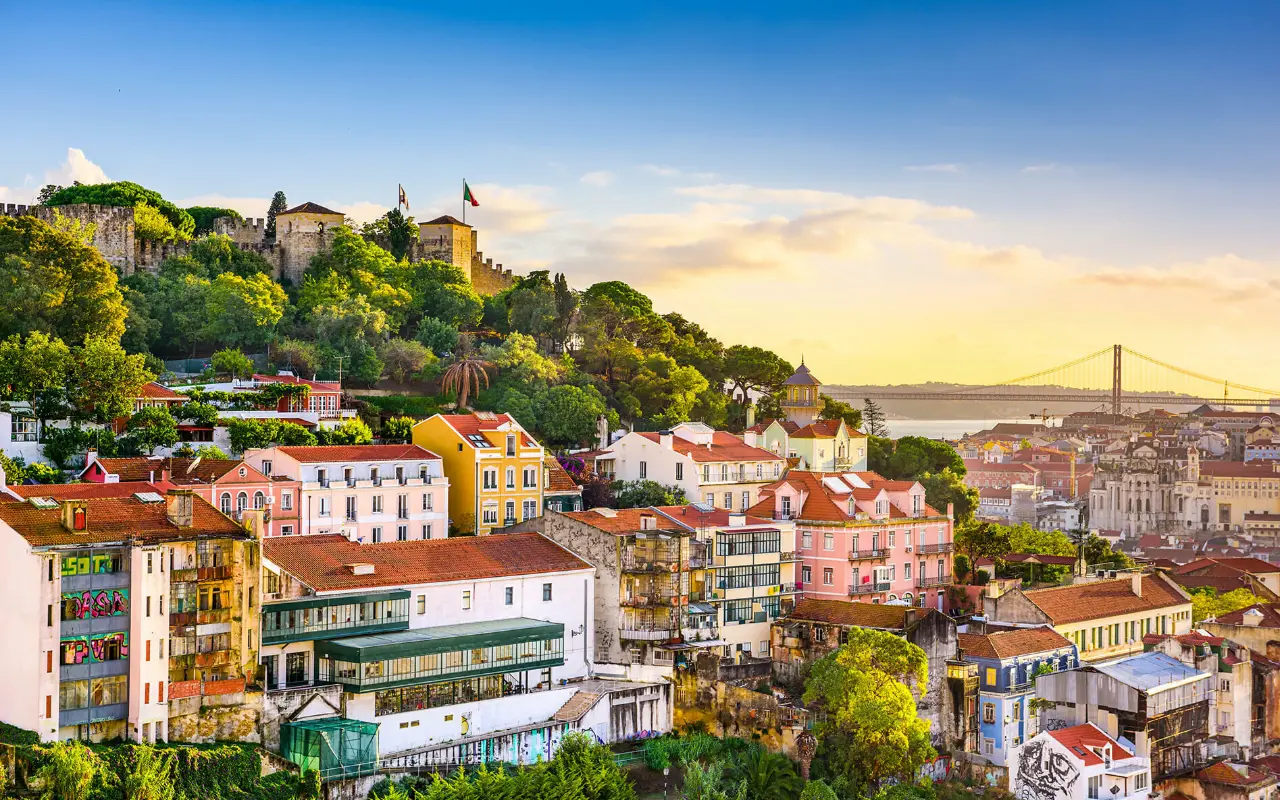
Sunny climate and effects on mood
Those 2,828 hours of sun per year are not trivial: regular light exposure helps not only mood, but circadian regulation and rest. Sunlight acts as a natural trigger of vitamin D production and offers visual and emotional stimuli that impact psychological well-being.
Walkability, public spaces and urban mobility
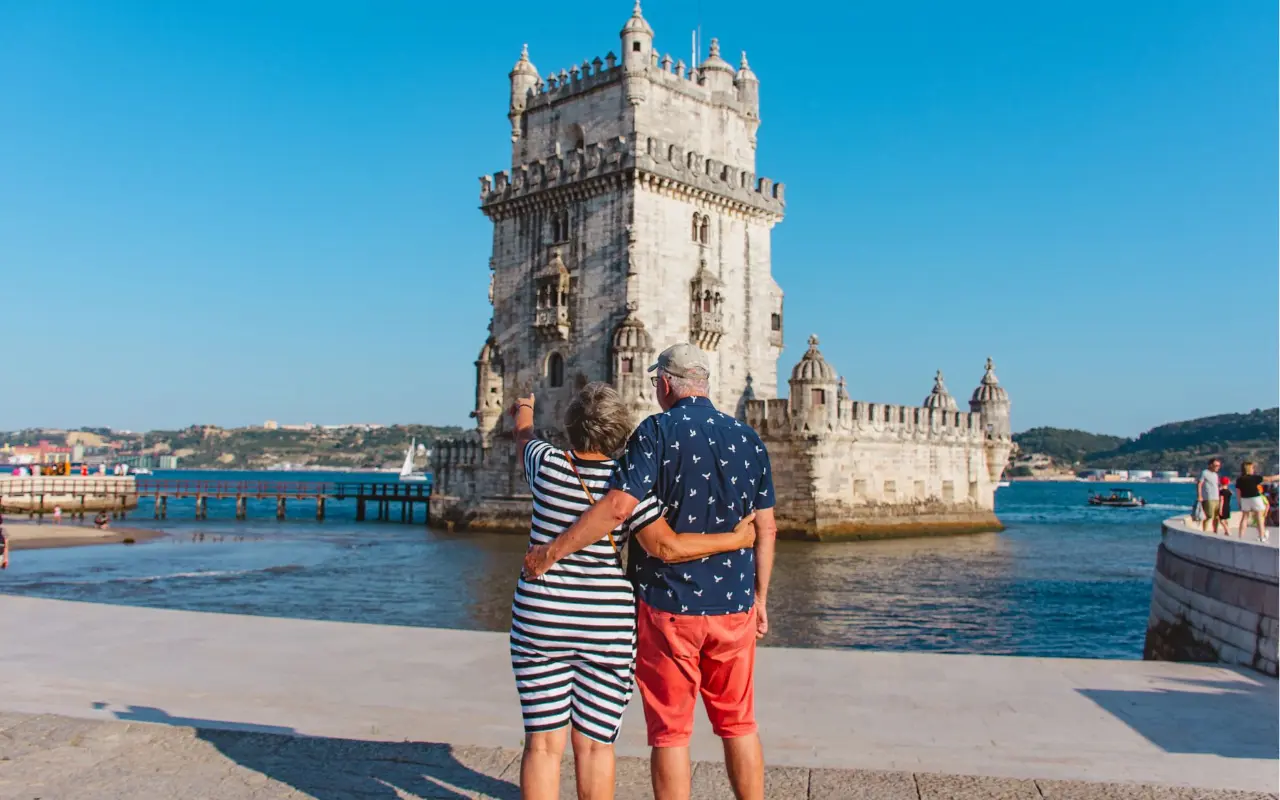
Lisbon is relatively compact and walkable, letting visitors move on foot through its neighborhoods and landmarks. The study highlights this walkability as a key factor in traveler happiness. The city has also launched initiatives such as “A square in every neighborhood” to upgrade public spaces, promote physical activity, and lift urban quality of life.
Study that crowned Lisbon as happiest destination
The analysis was done by BookRetreats in collaboration with Dr. Natalie Dattilo-Ryan (a Harvard-affiliated psychologist). They assessed 47 destinations worldwide using five well-being factors: sunshine hours, sleep quality, healthy diet, time in nature, and physical activity. Lisbon stood out with 2,828 sunshine hours per year, a healthy and accessible culinary offering, and a city that encourages walking. The study also highlights how these factors help trigger “happy hormones” like serotonin, dopamine, endorphins and oxytocin.
Urban nature: parks, forests and green connectivity
Lisbon includes extensive green areas, such as Monsanto Park—the city’s green lung—with nearly 1,000 hectares, plus other urban parks praised for accessibility and design. Studies about green space perception in Lisbon show that visitors particularly value structure, accessibility, and integration with the urban fabric.
Healthy gastronomy, accessibility and Mediterranean lifestyle
Lisbon excels in that nearly 10 % of its restaurants classify as ‘healthy’—they offer accessible, nutritious menus for travelers. Portugal’s lifestyle balances fresh seafood, fruits, vegetables, olive oil and light meals, supporting digestive and metabolic well-being. Moreover, healthy dining is not niche but widely distributed across neighborhoods.
Tourism impact and growth: How welcoming is Lisbon to visitors?
In 2024, Lisbon generated more than €1.5 billion in tourism revenue and welcomed over 8.8 million visitors—figures that demonstrate its international appeal and capacity to host travelers. That steady visitor flow has driven infrastructure improvements, tourist services and global promotion, contributing to maintaining high experience standards.
Challenges and caveats: avoiding overcrowding and preserving authenticity
One critical issue for Lisbon is the short-term rental phenomenon (e.g. Airbnb), which has stressed the local housing market: some neighborhoods have seen marked rent increases and residential supply imbalance. To remain a destination that fosters happiness, sustainable tourism management is essential, protecting local spaces and avoiding gentrification that might push away the cultural authenticity so beloved by travelers.
Subjective well-being and quality of life: Lisbon as a desirable city to live
Beyond tourism, Lisbon shows up in quality of life rankings: for example, Monocle Magazine placed it seventh among cities with best quality of life. This suggests that features attracting tourists also benefit residents, creating synergy between inhabitants and visitors that uplifts the overall experience.
Conclusion
That Lisbon was chosen as the destination that yields the most happiness for travelers is not just a catchy headline: it reflects the balanced combination of climate, cuisine, urban life, and nature. But to keep deserving that title, its tourism growth must be managed responsibly—preserving authenticity, balancing local housing, and safeguarding residents’ quality of life. If you are planning your next trip, Lisbon offers not only picturesque sceneries but an emotional and sensory experience that can reaffirm how fulfilling well-chosen vacations can be.