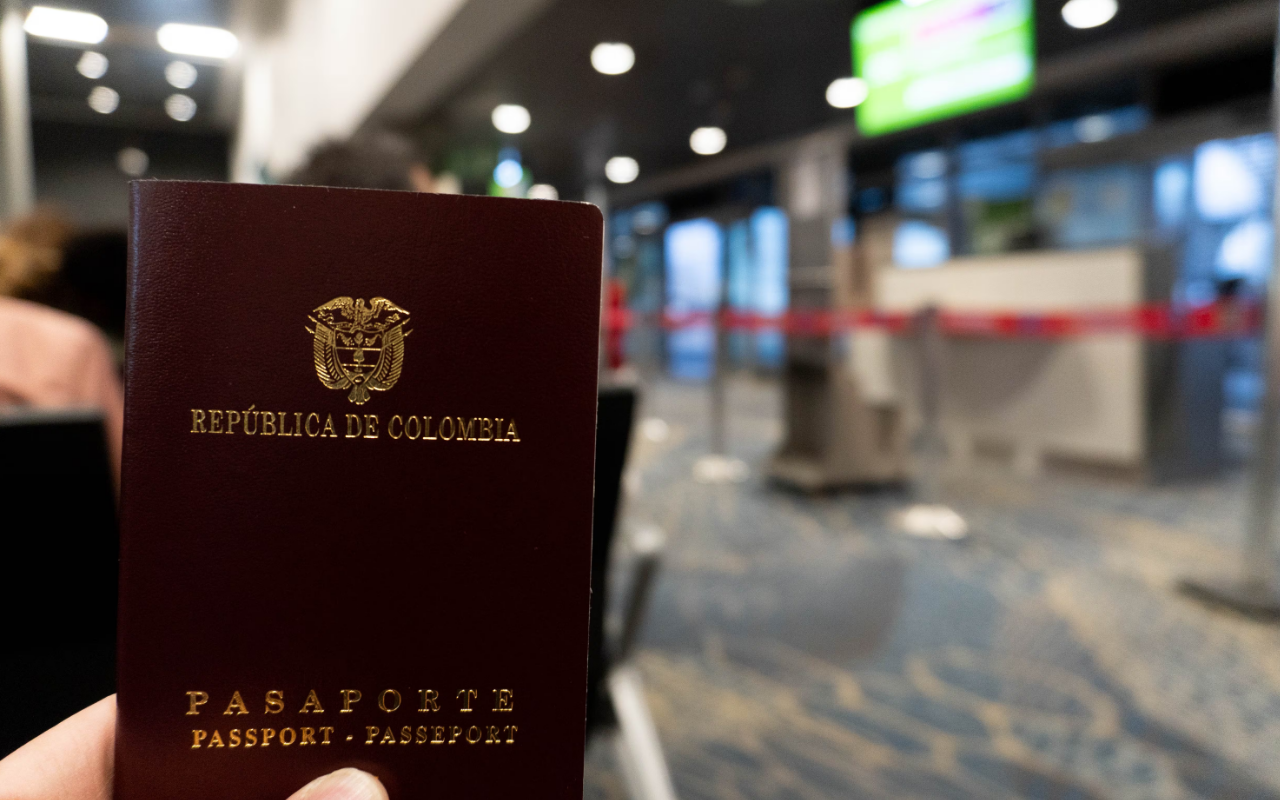
Can I miss my flight because of an expired or damaged passport?
Although many travelers underestimate it, the passport is one of the most decisive documents when traveling abroad. Every day, passengers miss flights or are denied entry due to validity requirements or physical damage to their passport. This is neither a myth nor an exaggeration—it happens daily in airports around the world. Understanding what airlines and immigration authorities actually check can make the difference between a smooth trip and a canceled journey.
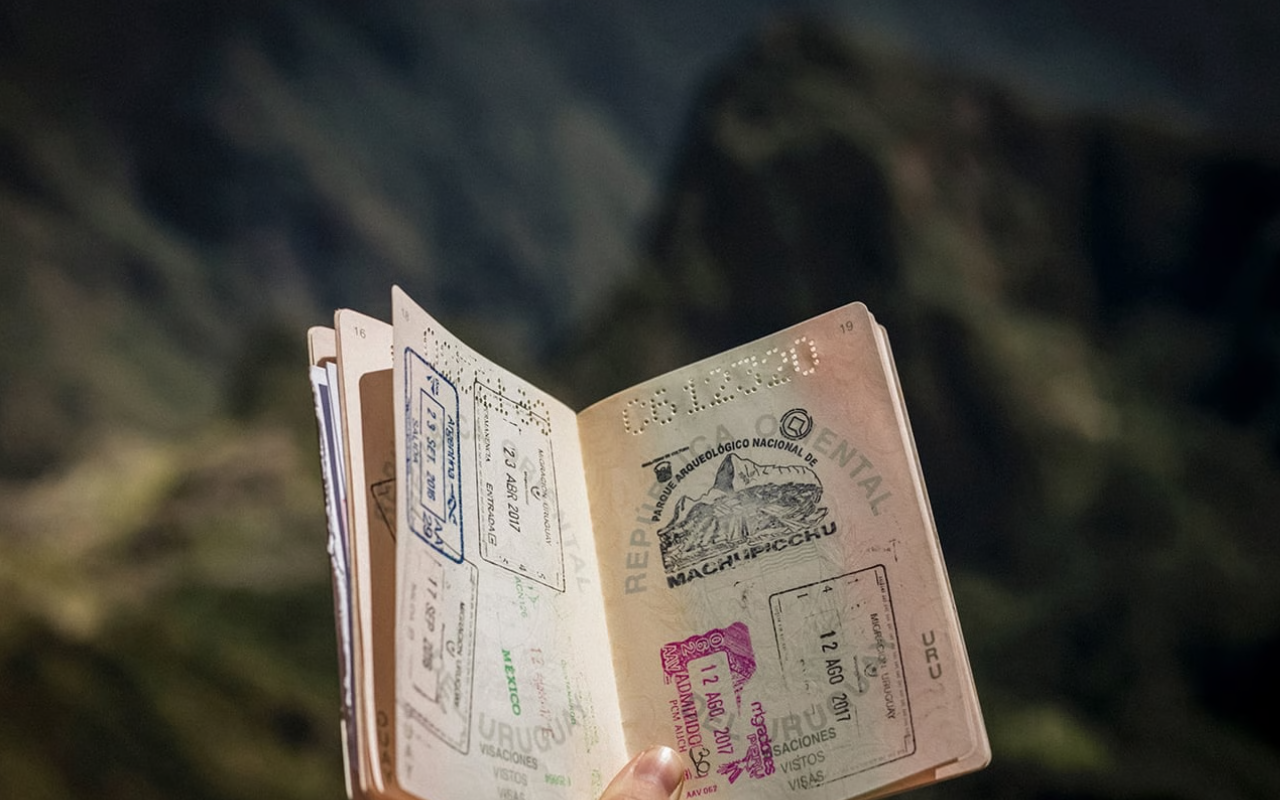
Can a valid passport be rejected
One of the most common traveler searches is whether a valid passport can be rejected. The answer is yes. Even if the expiration date is valid, a passport may be denied if physical damage or reading issues prevent proper identity verification.
Why airlines can deny you boarding
Airlines are legally required to ensure that passengers meet immigration requirements. If they transport travelers with invalid documents, they face fines, penalties, and return costs. For this reason, denying boarding due to passport issues is mandatory, not optional.
When to check your passport before traveling
One of the most searched questions is when to check a passport. The safest approach is to review it three to six months before travel, before buying international tickets, and before applying for visas.
The role of travel agencies in passport guidance
Professional travel agencies do more than sell tickets—they educate travelers. Providing clear passport guidance builds trust, prevents common mistakes, and shows responsible travel support.
Passport damage that can prevent boarding a flight
Certain types of passport damage are enough to prevent boarding. Common issues include torn or detached covers, damaged interior pages, water or ink stains, unreadable personal data, and malfunctioning electronic chips in biometric passports.
The importance of passport checks in trip planning
A passport is as important as the flight itself. Including passport checks in travel planning ensures smoother and safer international trips.
Why a passport is required for international travel
A passport is not just an identification document; it is the main legal requirement to leave one country and enter another. Airlines and immigration authorities verify its validity, legibility, and physical condition before allowing travel. Even with paid tickets, confirmed reservations, and approved visas, a passport that does not meet minimum requirements can prevent boarding without exception.
Why checking your passport prevents airport problems
Early passport checks allow travelers to detect damage or insufficient validity in time. This simple step prevents airport stress, arguments, and unnecessary financial loss.
What happens to your ticket if you are denied boarding
When a traveler cannot fly due to passport issues, the ticket is usually forfeited or subject to penalties, depending on fare rules. In most cases, there is no automatic refund, turning a documentation mistake into a financial loss.
Six-month passport validity rule for international travel
Many countries require passports to be valid for at least six months at the time of entry or exit. This rule applies to Schengen Area countries, the United Kingdom, Asia, the Middle East, and several destinations in the Americas. Even short trips are subject to this requirement.
Real cases of travelers missing flights due to passport issues
Situations such as water-damaged passports, worn covers, damaged stamp pages, or passports close to expiration occur daily. In most cases, the result is the same: denied boarding.
Conclusion
Checking your passport before traveling is not a minor task but a crucial part of international travel. Validity, physical condition, and legibility can determine whether you board your flight or not. Traveling informed and prepared is the best way to protect your investment and enjoy a hassle-free journey.